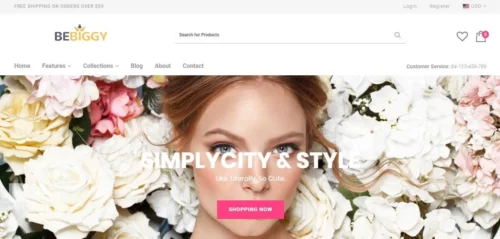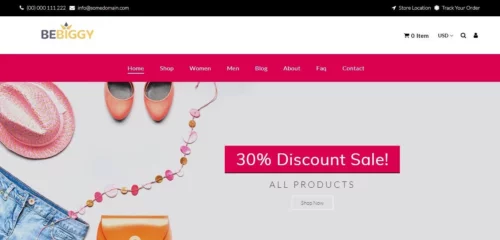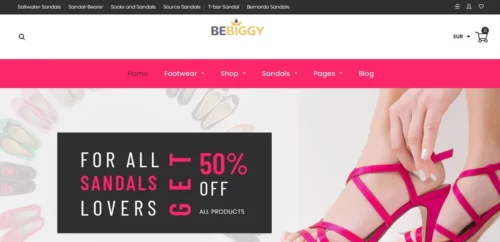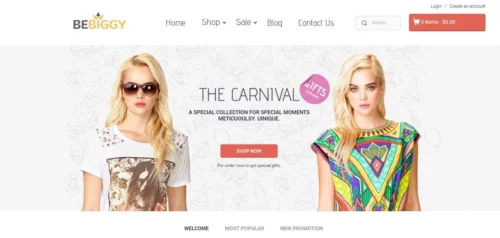
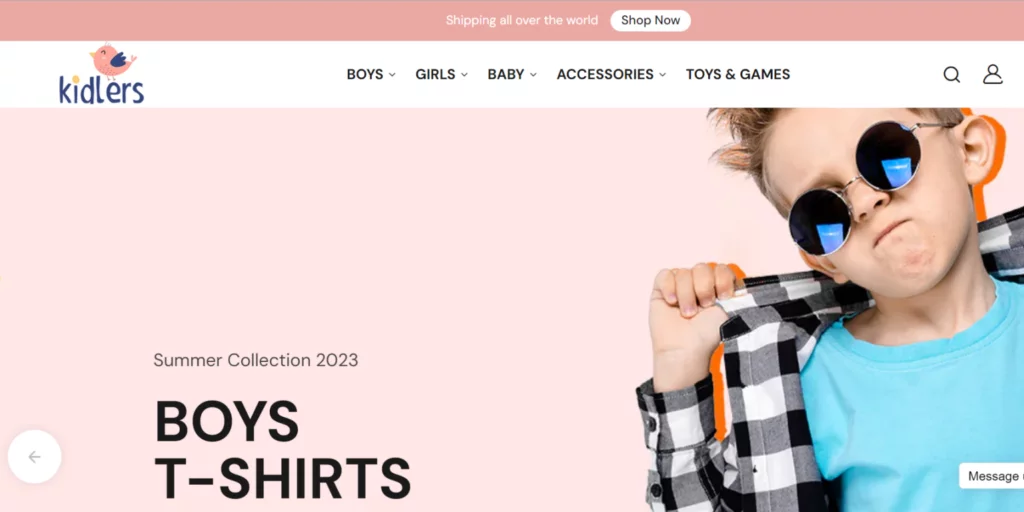
Kids & Baby Wear Shopify Premium Dropship Store
Get 3 days free then 1 month for $1 on Shopify Account. Buy 1 + Get 1 FREE. Lifetime Access to Courses Hurry! Special Offer ends soon
Launch your Kids & Baby Wear Shopify store hassle-free in 24 hours! Enjoy 100% ownership with no monthly fees. Pre-loaded with 10,000+ products, customization options, and lifetime support. Get it now for $299!
$299.00
View DemoDone-For-You Premium Kids & Baby Wear Shopify Store. Less Building, More Selling.
Launch your own online Kids & Baby Wear e-commerce Empire without the need to build a store from scratch or source inventory independently.- No technical expertise needed.
- No wasting time sourcing reliable suppliers.
- Start selling and generating revenue in no time.
- Premium custom theme and design
- Pre-loaded with up to 10,000 products.
- Reliable top-rated USA-based suppliers.
- Fast USA-based shipping from local suppliers.
Stand Out and Succeed with a Premium, Fully Loaded Kids & Baby Wear Store
This high-value Kids & Baby Wear store empowers you to:- Attract parents with adorable, comfortable designs from our talented team of Shopify developers and designers.
- Look established and trustworthy with premium themes that elevate your brand.
- Offer fast shipping and quality goods through supplier connections we’ve built across the USA.
- Drive more sales with up to 10,000 curated products already added to your expansive catalog, shipped quickly from domestic warehouses.
- Save hours managing logistics with automated order processing and inventory management.
- Customize the brand experience completely with tailored logo design and branding so customers connect with your unique identity.
- Maintain seamless brand continuity with your own custom domain that instills confidence and recognition.
Save Time and Start Selling Faster With Our Ready-to-Launch Shopify Store
For parents and guardians, this pre-built online Kids & Baby Wear store eliminates the heavy lifting of building a profitable online business from scratch. Why get this fully stocked Shopify store?- Skip the technical headaches of designing, developing, and integrating your own ecommerce store. This store is ready to connect and customize.
- Avoid the drain on time and resources of finding and onboarding suppliers, photographing inventory, writing product copy, etc. This store comes loaded with thousands of products already added.
- Start marketing and making sales sooner. Rather than spending months just setting up, this store allows you to get to revenue generation quickly.
- Lean on the experience and support of ecommerce experts. Our team handles the setup process and provides ongoing optimization and any support you might need.
100% Total Ownership & Control Of Your Store
Take control of your profitability by setting your own prices and profit margins, maximizing your revenue potential, and growing your business on your terms. Keep 100% of the profits generated by your Kids & Baby Wear store, allowing you to enjoy higher profit margins and greater financial stability. Exercise full creative freedom to customize your store's design, products, and pricing and tailor it to match your specific taste, vision, and preferences. Be the boss of your online store. Retain permanent control to grow your brand and make business decisions that are right for you. No hidden fees. No limitations.Why Own This Kids & Baby Wear Business?
- Operate your business remotely from anywhere on the globe.
- Instantly acquire a complete automated business ready to generate revenue.
- Begin securing additional income and financial stability right away.
- Start affordably with a modest budget and low monthly costs.
- Strategically optimized by experts for maximum conversions.
- Avoid complex inventory management entirely.
- Products supplied solely from reputable, trusted vendors.
- Massive online mega-store with extensive product selection.
- Grow your Kids & Baby Wear business and sell it in the future at a profit.
Wait, There’s More…
- High-Quality Adorable Designs → Elevate your online presence with designs crafted to captivate and convert. Our meticulously curated selection ensures your store stands out from the crowd, leaving a lasting impression on every visitor.
- Exquisite Premium Shopify Themes → Wow customers with elegant, high-end Shopify themes. Themes that are designed to be both beautiful and easy to use, creating a great experience for shoppers and store owners alike.
- Direct Access to USA-Based Suppliers → Gain a competitive edge with swift access to a network of reputable suppliers based in the USA. Enjoy faster shipping times, superior product quality, and unparalleled customer satisfaction, all while supporting local businesses.
- Up to 10,000 Products Shipped from the USA → Scale your business without compromise. With a vast selection of up to 10,000 products sourced from the USA, you can cater to diverse customer preferences while ensuring prompt deliveries and impeccable product standards.
- Streamlined Inventory and Order Processing → With an automated inventory and order processing system seamlessly manages your store's backend operations, allowing you to focus on what truly matters – growing your business.
- Tailored Branding Solutions → Make your mark in the digital landscape with custom branding that reflects your unique vision and values. Elevate your brand identity with a custom-designed logo that embodies the essence of your Kids & Baby Wear business.
- Seamless Custom Domain Integration → Own your digital real estate with ease. With seamless custom domain support, establish a professional online presence effortlessly, reinforcing brand credibility and enhancing customer trust.
What Exactly I’m Getting?
- Elevated visual appeal with high-quality store designs.
- Fast fulfillment through USA supplier connections.
- Automated inventory tracking and management.
- Streamlined order processing for timely delivery.
- Custom logo builds your unique brand identity.
- Ongoing support for store setup and operation.
- Tailored premium themes match your brand identity.
- Custom domain support that reinforces brand professionalism.
- Pre-loaded with up to 10,000 products from trusted USA suppliers.
- Lifetime customer support.
- High-quality Shopify store.
- No profit sharing.
- No hidden fees.
- No heavy capital investments for store building and setup.
- No wasting hours sourcing high-quality products.
- No wasting resources on expensive developers.
- No worrying about shipping and returns.
- No worrying about stock handling and security.
- No complex expertise needed to run this business.
- No bargaining on quality. Get the best quality Kids & Baby Wear available.
- No more stresses
- No more complexities
- Just smooth business
FAQ (Frequently Asked Questions)
- What is a turnkey/pre-made Shopify store? A turnkey Shopify store is a ready-to-launch e-commerce website that comes fully equipped with everything you need to start selling online. It includes a pre-built Shopify store with a custom design, product catalog, automation features, and more, allowing you to launch your business quickly and easily.
- How soon will my turnkey Shopify store be ready? Your premium Shopify store setup can take up to 24 hours. Importing up to 10,000 products however usually takes about 3 working days.
- Is the domain name included in the package? No, the domain name is not included in the package. However, you have the freedom to connect any custom domain of your choice to your Shopify store once it's delivered to you.
- Will you provide guidance on using my store? Yes, absolutely! We provide comprehensive guides on how to manage your store, including adding products, processing orders, and updating your website. Additionally, our blog offers valuable insights and tips, and our support team is always available to assist you with any questions you may have.
- Do you charge any ongoing monthly fees? No, we do not charge any ongoing monthly fees for the store we build for you. You only pay a one-time fee at the time of purchasing your store.
- What will my monthly expenses be for running the store? Your only monthly expenses will be for your Shopify plan ($29/month) and any marketing expenses you choose to incur.
- Will I have full ownership of my turnkey Shopify store? Yes, once your store is delivered to you, you will have 100% ownership and control. You become the legal sole owner of your e-commerce business, and we no longer have access to the store.
- How many products will be added to the store? We will add up to 10,000 high-quality products to your store initially. However, you have the flexibility to edit, add, or delete products as you wish.
- What suppliers do you use? We exclusively work with top-rated, reliable, and high-quality suppliers based in the US. Our network of US-based suppliers ensures timely delivery and premium product offerings, meeting our customers' expectations for excellence.
- How can I accept payments from my customers? You can accept payments from your customers by signing up for a payment gateway provider such as PayPal or Stripe. Many payment gateway providers do not require you to have a registered business.